


Acne vulgaris, known as acne (originates from the Ancient Greek word akmḗ (ἀκμή), meaning “point” or “peak”), is one of the most common chronic inflammatory skin diseases, typically involving face, neck, upper torso and shoulders. Although most of the acne cases are seen among teenagers and young adults, it can be manifested at any stage of life with a progressive reduction in prevalence with increasing age. Acne may appear in several lesions, such as whiteheads, blackheads, pustules, papules and nodules. In severe cases, it includes large, painful nodules filled with pus, called cystic acne. The disease has various forms and symptoms, and most patients may have a combination of different lesion types, hence, sometimes it can be difficult to determine the severity. Understanding acne severity is essential for effective management. Clinically, acne is classified as mild, moderate, or severe, depending on the number and type of lesions. Mild cases are mainly comedonal, moderate forms show more inflammatory papules and pustules, and severe acne is characterized by nodules or cysts with a tendency for scarring [1,2]. Typically, acne is not associated with significant physical comorbidity, but almost all patients have some impact on their psychological status and quality of life, therefore, a multidisciplinary approach of care is needed [3].
Risk factors for acne include genetics, hormonal changes, certain medication, age and oily skin type. Additionally, factors such as stress, weather, diet and skin scrubbing can make it worse, though they directly do not cause acne. Major pathogenic factors are androgen-induced sebum production, follicular hyperkeratinization and immunologic hypersensitivity to Propionibacterium acnes (now Cutibacterium acnes) [4]. Given its multifactorial pathogenesis, treatment often requires combined approaches targeting different mechanisms. Among them, benzoyl peroxide (BPO) is a key component, as it provides strong antibacterial activity against Cutibacterium acnes and helps reduce the emergence of antibiotic resistance when used alongside topical or systemic antibiotics.
Ideal treatment for acne does not exist, but for most patients, a suitable therapy for lesions reduction can be found. Since acne is a multifactorial disease, different therapeutic agents are targeted for treatment purposes. Typical targets include comedo formation, androgen production, sebaceous gland activity, C. acnes levels, or the inflammatory and immune response. Generally, the most successful treatment approach is to simultaneously attack two or more targets, one of which is usually the comedo [5].
Treatment options available for acne therapy include topical and/or systemic preparations. Topical therapies are the primary method of acne treatment. They may be used alone or in combination with other topical or oral agents. Commonly used medications are topical retinoids, BPO, antibiotics, salicylic acid and azelaic acid [6]. Systemic therapy possesses greater efficacy than topical preparations and is therefore prescribed to patients with severe or extensive inflammatory acne. Systemic medication includes retinoids, oral antibiotics, and hormonal therapy. For patients with severe inflammatory acne, a combination regimen is typically used, including oral antibiotics with topical BPO to reduce the number of antibiotic-resistant organisms [7].
Due to the variety of treatment approaches available, it is important to individualize acne care based on the potential treatment benefits and risks, thus requiring shared decision-making [8].
While acne treatment is effective with the listed medications, they can also lead to side effects that extend beyond the skin and may impact oral health. Several reviews have been published on the side effects of common acne treatments; however, most reviews did not report experimental data on the effects of medications on oral health [9-14]. Some of them mention dry mouth symptom as a possible side effect due to decreased salivary flow [15]. The importance of saliva in maintaining oral health is widely recognized. In addition, it plays a vital role in caries development and bacterial plaque formation. Numerous physiological and pathological factors can affect salivary flow, and such variations have an impact on oral cavity [13,16]. Nevertheless, oral health is a critical component of overall well-being, and information on the effects of acne medications on oral health is lacking. These data are important for dermatologists and dental specialists when communicating with patients and for shared decision-making.
Despite extensive research on acne treatments and oral health independently, there is a notable gap in the literature regarding their combined effects. Therefore, this literature review aims to explore the pharmacological impacts of severe acne medications on oral health.
METHODS
A comprehensive literature search was performed using MEDLINE, PubMed, EBSCO, and Cochrane Library databases to identify studies published from 1982 to 2024. The search strategy was peer-reviewed by another team member using the PRESS (Peer Review of Electronic Search Strategies) checklist. Only studies published in English were included. Clinical studies were considered if they discussed oral or dental effects of systemic acne medications such as isotretinoin, antibiotics, or hormonal agents. Case reports, conference abstracts, and studies focusing solely on topical therapies without systemic intervention were excluded. Relevant reference lists were also screened to identify additional studies.
RETINOIDS
Retinoids are synthetic derivatives of vitamin A and are commonly used in the management of severe acne. They affect the growth and differentiation of epidermal cells, also interfering with sebaceous gland activity and possess immunomodulating and anti-inflammatory properties. Several compounds of retinoids are used in topical and/or systemic form. The most common systemic form of retinoids is isotretinoin (13-cis-retinoic acid) [17,18]. It is highly effective for moderate to severe acne treatment, as it acts on virtually all acne factors and offers long-term remission and sometimes complete cure [7]. Despite its efficacy, isotretinoin therapy is associated with adverse side effects, the most severe of which is teratogenicity [19,20]. Furthermore, systemic retinoids are well known to cause dryness of the mouth and changes in oral and lip mucosa [18]. Moreover, research evidence shows that isotretinoin can cause vitamin B12 (cobalamin) and vitamin B9 (folate) deficiency anemia, causing adverse effects on oral mucosa [21].
Effects on Saliva Flow, Buffer Capacity and Decay Status
Dry mouth is a common complaint that may be caused by several conditions. Xerostomia, hyposalivation and altered saliva composition are separate entities of salivary gland hypofunction, which in many respects are interrelated. Most authors agree that xerostomia and hyposalivation are two separate entities, with xerostomia denoting a subjective feeling of oral dryness and hyposalivation an objectively measured reduction in salivary flow rate (SFR) [22]. In patients receiving medication, hyposalivation is often mild to moderate, it may develop within weeks to months of treatment, and in many cases it is reversible after discontinuation of the drug [4]. Several clinical studies demonstrate that isotretinoin adversely affects salivary flow and buffer capacity, it has a strong potential to reduce salivary flow, and its systemic administration leads to the drying up of various oral and non-oral structures [18]. Oikarinen et al. (1995) in their controlled trial of acne treatment with isotretinoin for an average of 3 months showed a statistically significant but modest decrease in SFR (p=0.0277) without any accompanying change in salivary pH. Although this reduction in salivary secretion reached statistical significance, the magnitude of change was small and unlikely to have major clinical consequences or lead to irreversible tooth decay. The authors also reported a transient increase in matrix metalloproteinase-9 activity during treatment, suggesting temporary alterations in salivary composition rather than lasting dysfunction [23]. Lupi-Pégurier et al. (2007) concluded that patients treated with isotretinoin experienced oral side effects. Compared with healthy controls, after 6 months of isotretinoin use, the DMFT index (Decayed, Missing and Filled Teeth) increased and the SFR gradually decreased. The changes were not clinically significant, and the baseline SFR recovered after 2 months of the end of the treatment [24]. On the other hand, the authors found unfavorable effects in patients who used the medication for 8 months. The study found increased rates of caries, especially on the buccal, palatal, or both surfaces, and the presence of light to moderate calculus on the teeth, consistent with increased bacterial counts and decreased SFR. Bacterial tests for Streptococcus mutans increased during isotretinoin treatment, while no significant difference was observed for Lactobacillus. Starting from the third month of isotretinoin use, patients noted the appearance of stains on their teeth, dry mouth and lips. Moreover, there was an increase in the DMFT index. In addition, buffering capacity gradually decreased, but it was not clinically relevant [25]. Örsal et al. (2015) evaluated the salivary gland function by radionuclide imaging at the third and sixth months. Results showed significant decreases in the salivary gland functions of patients using isotretinoin at months 3 and 6 compared to pretreatment values [26]. Another study also confirmed the previous finding that isotretinoin affected salivary flow, buffer capacity, and caries lesion activity scores. Also, at the end of the sixth month, bacteriological analysis showed that isotretinoin use had no significant effect on intraoral pathogen microorganism counts and salivary parameters did not correalate with potential caries lesion activity [27].
Effects on Periodontal Tissue
It has been reported that, besides the impact on SFR, isotretinoin has anti-inflammatory influence on periodontal biomarkers and positively affects periodontal diseases and gingivitis. Anti-inflammatory properties relate to isotretinoin’s ability to inhibit the action of the specific group of enzymes that are responsible for the degradation of most extracellular matrix proteins during organogenesis, growth and normal tissue turnover. In the gingival crevicular fluid (GCF) and saliva, the most widely investigated matrix metalloproteinases (MMPs) are MMP-8, MMP-9, and MMP-13 [28]. Collagenases, especially MMP-8, and gelatinases, especially MMP-9, are used as markers of active periodontal destruction and disease activity in GCF, saliva and serum [29-31]. It is believed that MMP-8 and -9 are primarily responsible for collagen degradation in the inflamed tissue during the progression of periodontal diseases [32]. The destroying activity of MMPs can be controlled by inhibiting their action, which can be mediated by the 4 members of the tissue inhibitor of metalloproteinase (TIMP) family [33]. Isotretinoin use was positively correlated with an elevation of salivary TIMP-1 and TIMP-2, which are responsible for regulating the extracellular activity of MMPs. While biomarker shift suggested reduced inflammatory activity, current evidence indicated that changes in MMP/TIMP balance are modest and may not consistently translate into measurable periodontal improvement [28].
Effects on Gums
Although the exact pathophysiology by which isotretinoin causes gingivitis has not been determined, it is probably related to the different pharmacological effects of retinoids due to their significant impacts on DNA transcription. Retinoids work by binding to nuclear retinoid receptors that are part of a group of nuclear DNA transcription factors, including steroids, vitamin D, and thyroid hormone receptors. Thus, retinoids function as hormones by altering DNA transcription, resulting in a wide range of molecular events [34,35].
A prospective case-control study by Numair et al. (2022) showed poor gingival health and higher plaque levels in patients treated with isotretinoin compared to those not taking it. These findings contradicted the results of previous study. Due the significantly high plaque level, the reason of gingival inflammation could not be identified – whether it was related to isotretinoin or the elevated plaque levels. It should be noted that this study had several limitations, one of which was that clinical parameters such as SFR, the presence of faulty restorations, malalignment, oral hygiene practices, smoking status, and nutritional status were not analyzed, thus, this finding may have been biased [36].
Antibacterial Effect
Besides its anti-inflammatory properties, isotretinoin also has antibacterial activity. It has been found to have an antibacterial effect on facial sebum. Papakonstantinou et al. (2005) examined the impact of isotretinoin on periodontal pathogens in the oral cavity [37]. Although the antibacterial mechanism of isotretinoin action is unknown, all the groups taking medicine showed significantly lower levels of Porphyromonas gingivalis, Tannerella forsythia, Treponema and higher levels of Fusobacterium nucleatum. A noticeable antimicrobial effect on the number of periodontal pathogens was demonstrated in patients with plaque-induced gingivitis and chronic periodontitis. Anyway, this study also had limitations [38].
ANTIBIOTICS
Systemic antibiotics have been extensively used to treat acne, typically moderate to severe, as well as inflammatory acne where topical agents have been ineffective. To maintain results after antibiotic treatment, BPO or retinoid should be used. The most common classes of antibiotics intended for acne treatment are tetracyclines and macrolides. The main mechanism of action of antibiotics in acne is reduction of the number of bacteria (including Cutibacterium) on the skin surface and in follicles, as well as anti-inflammatory action. The commonly used oral tetracycline-class antibiotics are doxycycline, minocycline, and sarecycline. This class of antibiotics is contraindicated in pregnancy, lactation, and during tooth development in children under 9 years of age, since repeated exposure may cause permanent enamel hypoplasia or discoloration. Severe adverse effects of systemic antibiotics in persons treated for acne are uncommon [39].
Discoloration Effect
One of the side effects of tetracyclines is their incorporation into calcifying tissues during administration. They chelate calcium ions and integrate into teeth, cartilage, and bone. As a result, we have discoloration of both the primary and permanent dentitions. This permanent discoloration is dose-dependent and varies from yellow or gray to brown. Minocycline hydrochloride, a long-acting semisynthetic tetracycline derivative often used to treat acne, has been shown to cause pigmentation of a variety of tissues, including the skin, thyroid, nails, sclera, teeth, conjunctiva, and bone. Adult-onset tooth discoloration following long-term ingestion of tetracycline and minocycline has also been reported. Higher cumulative doses may contribute to gradual discoloration of fully erupted adult dentition [40]. Minocycline is capable of inducing melanosis in skin and oral mucosa, although the nature of the reaction is not clear. Biopsy findings may reveal increased melanin deposition or the presence of hemosiderin and iron or a metabolic degradation product of minocycline in the tissues [11]. A remarkable oral side effect of minocycline is a greenish-black discoloration of osseous tissue, which may resemble bluish-gray discoloration of the gums, black or green roots, and blue-gray to gray hue darkening of the crowns of permanent teeth [11,41].
Effects on Periodontal Tissue
Tetracyclines have been used in the treatment of localized juvenile, generalized juvenile, early onset and adult periodontitis [42]. Minocycline is common in periodontal therapy, as it is effective against some putative periodontal pathogenic microorganisms [11]. Lindhe et al. (1983) have found that in patients with advanced periodontal disease, long-term tetracycline therapy in the absence of scaling resulted in the establishment of a subgingival microbiota almost devoid of motile bacteria and in markedly reduced signs of gingivitis, probing depth and attachment loss [43].
Apart from antibacterial activity, tetracycline also has anti-collagenase property, which is significant for periodontal disease management [42].
Effects on Gums
Erythromycin has also been implicated in gingival enlargement. The increased overgrowth of gingival tissue is related to the disruption of the degradation of collagen, which leads to a larger amount of extracellular collagen tissue within the gums.
Effects on Decay Status
Antibiotic exposure may potentially affect the pathogenesis of dental caries both directly via the oral microbiome and indirectly via contributing to enamel defects. Several studies showed a relationship between antibiotic exposure and enamel defects. In contrast, the data on newer antibiotic formulations and their association with dental caries and enamel defects are inconsistent [44].
Hormonal Therapy
Androgen hormones play a crucial role in acne development by altering the pilosebaceous unit, resulting in increased sebum production, keratinocyte proliferation, and inflammation. The highest prevalence is reached in adolescence because of androgen level alteration during puberty. In adults, acne may disproportionately affect women and individuals on testosterone therapy, with polycystic ovarian syndrome, or with menstrual-related flares. Thus, hormonal therapies used to treat acne treat act on androgenic activity reduction [7,45]. The primary hormonal agents in the severe acne treatment include combined contraceptive agents (estrogen and progestin), aldosterone receptor antagonists (spironolactone), oral corticosteroids (prednisolone and prednisone) and intralesional corticosteroids (triamcinolone) [8]. Indications for the use of antiandrogens in the treatment of acne include the failure of antibiotic regimens, the need for control of acne and menstruation, and finally, the inappropriateness of oral isotretinoin. Corticosteroids play a limited role in acne management. They are primarily used for short-term control of acute nodulocystic or severe inflammatory flares, rather than for long-term therapy [7,9]. Sex hormones can modulate the inflammatory response of tissues, including periodontal tissues. The steroid hormones can indirectly modulate periodontal tissue because of the existing estrogen and progesterone receptors present in gingival keratinocytes and gingival fibroblasts of the periodontal ligament and in the lamina propria [46]. Estrogen can modulate collagen metabolism and angiogenesis, promote the increase in tissue glycogen production and reduce keratinization of the gingival epithelium, which subsequently causes a reduction in the epithelial barrier. Meanwhile, progesterone triggers vasodilation and increases endothelial permeability, altering the collagen-producing function periodontal ligament fibroblasts [47,48].
Oral contraceptives are commonly used to prevent pregnancy, but they can also be prescribed for acne treatment when indicated. Traditional oral contraceptives are a combination of estrogen and progestogen, and some research indicates that women taking traditional forms of oral contraceptives have an increased risk for gingival inflammation, dry socket, temporomandibular joint dysfunction, clinical attachment loss, and gingival hyperplasia. In contrast, a recent study suggested that combined oral contraceptives with the new formulation of lower levels of progesterone and estradiol do not affect periodontal health [49,50].
Most corticosteroid-associated systemic or oral effects, such as bone loss or increased risk of candidiasis, are derived from chronic use in non-acne populations. Short-term or low-dose use in acne is unlikely to cause similar adverse outcomes. However, despite their benefits, the use of hormonal agents can be associated with various systemic manifestations along with oral changes.
Effects on Saliva Flow and Dental Status
The suppressed salivary secretion tendency has been noticed in young adults with prescribed and applied long-term steroid anti-inflammatory drugs, especially inhaled steroids [51]. It has been reported that patients taking corticosteroids for a long time often suffer from lack of teeth or are characterized by caries-non-resistant dentition [52,53]. Some animal studies indicated a link between the use of corticosteroids and the condition of the dentin-pulp complex tissue. The suppression of blood circulation and disturbed nutrition of pulp are observed while using steroids [54].
Effects on Gums and Periodontal Tissue
Several studies have demonstrated a link between oral contraceptives and periodontal disease. Increased levels of estrogen and progesterone in the body associated with contraceptives may lead to periodontal disease, decreased bone mineral density, and dry socket. Both estrogen and progesterone are known to cause increased gingival exudation, swelling, and inflammation [48]. Mullally et al. (2007) observed increased probing depths in women actively using oral contraceptives [50]. Additionally, subjects taking oral contraceptives had a higher rate of biofilm retention, as well as increased gingivitis and bleeding upon probing, compared to those not taking birth control pills. Periodontitis was observed in 60% of women actively taking oral contraceptives [50,55]. Furthermore, women taking oral contraceptives were found to be more susceptible to advanced periodontal disease if they had preexisting gingivitis [56].
There are a limited number of studies with appropriate methodology to produce sound evidence about the association between corticosteroid use and periodontitis. However, there are two cohort studies that show an association between chronic corticosteroid use and the incidence of periodontal disease [57].
In addition to periodontal effects, long-term use of steroid therapy is also associated with an increased risk of developing gum diseases such as gingivitis. Safkan and Knuuttila (1984) confirmed the predisposition of patients taking steroids to gingivitis. It was concluded that the duration of corticosteroid application for 1 year or more is related to a greater degree of manifestation of clinical symptoms of periodontitis [58].
Discoloration Effect
Hormonal therapy may indirectly affect an increase in α-melanocyte-stimulating hormone, which may subsequently lead to oral or perioral pigmentation [59].
Effects on Bone
Studies have shown that prolonged corticosteroid use, particularly at high doses over months to years in non-acne populations, can lead to a significant decrease in calcium absorption and increased calcium loss from bone. Due to their impact on electrolyte and water balance, they affect the reabsorption of sodium and the excretion of potassium, calcium, and hydrogen ions. Long-term administration of corticosteroids can result in electrolyte imbalances such as hypernatremia, hypokalemia, hypocalcemia, and alkalosis. This causes a decrease in bone mineral density in the jaws, which may impact tooth stability and be a risk factor for tooth loss. Drug-induced bone loss is biphasic: an initial rapid phase of approximately 10-15% in the first few months and a subsequent slower phase of about 2-5% per year. Two major factors affect this process: the dose and duration of treatment. In addition, trabecular bone is affected more rapidly than cortical bone [61,62]. It is important to note that most of this evidence comes from chronic steroid therapy in populations treated for conditions other than acne; short-term or low-dose corticosteroid use for acne management is unlikely to cause bone loss of similar magnitude.
Alveolar bone consistency may also be impaired by corticosteroids due to osteoporotic alterations related to reduction of osteoblasts and the amount of osteoid matrix. Parallel to the drug administration, a trend toward a decrease in alveolar bone height and fibrotic transformation of the periodontal space has been observed. It has been reported that women with osteoporosis may experience significant periodontal attachment loss without significant differences concerning gingival bleeding [60,63] However, such effects are primarily observed in patients chronically taking steroids or with preexisting osteoporosis, rather than in typical acne therapy regimens.
Microbial Effects
Corticosteroids can affect the normal balance of the microbial flora in the body, including the oral cavity, reducing microbial diversity and promoting the growth of certain pathogenic bacterial species. These changes in the oral microbiome may contribute to the emergence of oral conditions, such as gingivitis, periodontitis or candidiasis. Patients receiving corticosteroids must be monitored for secondary Candida infections. Candida is a genus of fungi commonly found in the oral flora of healthy individuals but can become pathogenic under certain circumstances. The risk of Candida infection is primarily associated with systemic or inhaled corticosteroid use, rather than with short-term or intralesional therapy. Systemic corticosteroids can compromise the body’s immunity, including the local immune response in the oral cavity, promoting the growth of the fungus Candida albicans. Overgrowth may lead to the development of an infection, clinically manifesting as creamy, curdy, white-colored overgrowth on the inner skin of the lip, cheeks, gums, and tonsils, often accompanied by a burning sensation, pain, and discomfort [63,64]. Therefore, it is important that patients receiving corticosteroids be regularly monitored for early detection of signs and symptoms of Candida infection and initiate appropriate treatment in a timely manner.
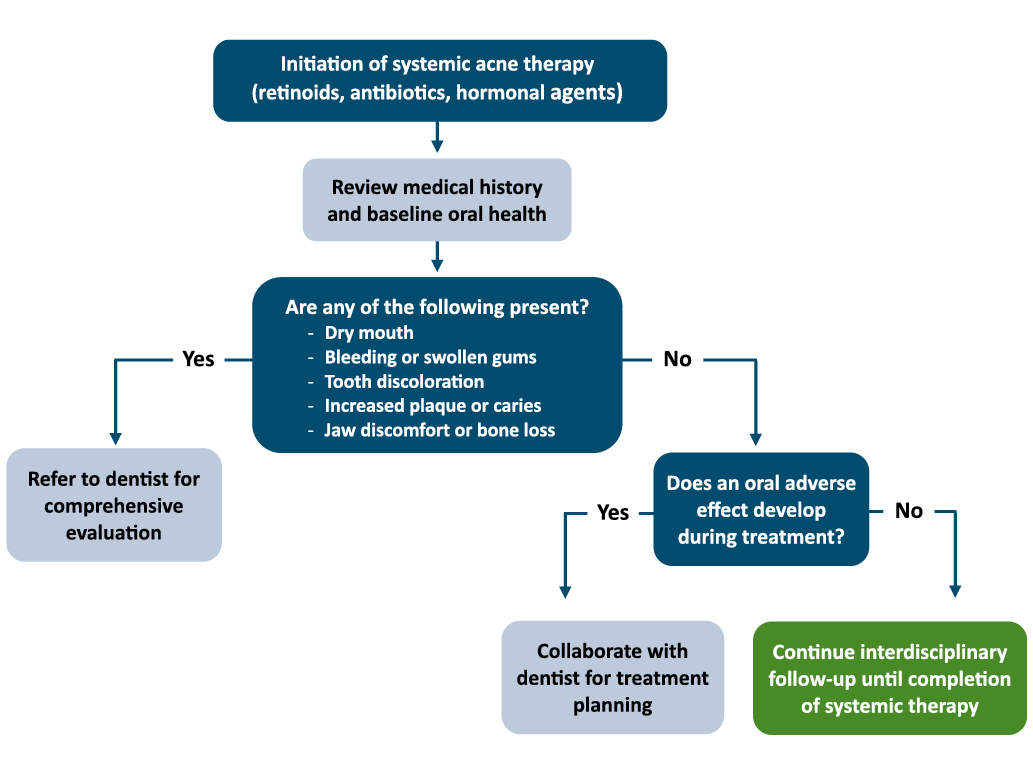
Table 1 summarizes the effects of systemic acne medications on oral health, and Chart 1 presents the dental referral algorithm for systemic acne therapy.
CONCLUSION
Systemic therapies for acne, similar to other medications, can lead to direct and indirect side effects, which may also have oral manifestations. However, evidence specifically derived from acne cohorts remains limited, and most data on oral effects come from studies of the same drugs used for other medical conditions. On the contrary, retinoids, antibiotics, corticosteroids and contraceptives, when used for other medical conditions, have direct impact on the oral cavity confirmed by numerous studies. Thus, there is a possibility that the same medications used for acne treatment could produce similar symptoms such as xerostomia, gingivitis, periodontitis, candidiasis, increased risk of caries and other signs. The reasons for side effects are multiple, including medication dosage, duration of use and other individual differences. Hence, awareness of possible oral side effects is essential for comprehensive care and will allow dermatologists and dental specialists to tailor treatment plans to meet the patient’s individual needs.
When starting a new medicine, dermatologists can advise patients on what oral signs and symptoms to look out for.
Also, dental practitioners should take a thorough medical history and be aware of medication-related problems and their potential effects on diagnosis and treatment planning. In addition, it is important for patients who require long-term systemic treatment to receive careful monitoring and regular dental care to identify, assess and manage potential dental and periodontal issues to ensure a balance between the therapeutic benefits and adverse effects of systemic therapy.
To sum up, the collaboration between dermatologist and dental specialist is essential to identify and adequately treat oral complications associated with systemic therapies for acne.
Table 1. Oral effects of medications used in acne treatment
Drug class | Retinoids (Isotretinoin) | Antibiotics (Tetracyclines, Macrolides) | Hormonal Therapy (Contraceptives, Spironolactone, Corticosteroids) |
Oral Effects |
|
|
|
Evidence Type | Direct evidence from acne cohorts | Direct and extrapolated evidence | Mostly extrapolated from non-acne cohorts |
Reversibility |
| Discoloration is often irreversible, periodontal benefits and gingival changes vary |
|
Monitoring/ Management |
|
|
|
Chart 1. When to refer to dentistry during systemic acne therapy.
References
- Zager SH. Acne vulgaris and acne rosacea. In: Rakel D, ed. Integrative Medicine. 4th ed. Philadelphia, PA: Elsevier; 2012:676-683.e3
- Lucas JL, Tomecki KJ. Acne and rosacea. In: Current Clinical Medicine. WB Saunders; 2010:268-271.e1
- Sharma R, Dogra N, Arora M. Psychosocial impact of acne vulgaris on the quality of life among adolescents versus adults. Clin Med. 2023;23(6):35
- Heng AHS, Chew FT. Systematic review of the epidemiology of acne vulgaris. Sci Rep. 2020;10(1):5754
- Webster GF. Acne and rosacea. Med Clin North Am. 1998;82(5):1145-1154, vi.
- Williams HC, Dellavalle RP, Garner S. Acne vulgaris. Lancet. 2012; 379(9813):361-372
- Krowchuk DP. Managing acne in adolescents. Pediatr Clin North Am. 2000;47(4):841-857
- Reynolds RV, Yeung H, Cheng CE, et al. Guidelines of care for the management of acne vulgaris. J Am Acad Dermatol. 2024;90(5):1006.e1-1006.e30
- Tripathi SV, Gustafson CJ, Huang KE, Feldman SR. Side effects of common acne treatments. Expert Opin Drug Saf. 2013;12(1):39-51
- Windhorst DB, Nigra T. General clinical toxicology of oral retinoids. J Am Acad Dermatol. 1982;6(4):675-682
- Rees TD. Drugs and oral disorders. Periodontol 2000. 1998;18(1):21-36
- Ciancio SG. Medications’ impact on oral health. J Am Dent Assoc. 2004;135(10):1440-1448
- Teoh L, Moses G, McCullough MJ. A review and guide to drug-associated oral adverse effects—Dental, salivary and neurosensory reactions. Part 1. J Oral Pathol Med. 2019;48(7):626-636
- Ravindra D, Huang G, Hallett K, Burgner DP, Gwee A, Silva MJ. Antibiotic Exposure and Dental Health: A Systematic Review. Pediatrics. 2023;152(1):e2023061350
- Choo PJ, Taing MW, Teoh L. A retrospective study of drugs associated with xerostomia from the Australian Database of Adverse Event Notifications. Int J Pharm Pract. 2022;30(6):548-553
- Llena-Puy C. The role of saliva in maintaining oral health and as an aid to diagnosis. Med Oral Patol Oral Cir Bucal. 2006;11(5):E449-E455
- Chivot M. Retinoid therapy for acne: A comparative review. Am J Clin Dermatol. 2005;6(1):13-19
- Kolbe AC, Silva FL. Uso da isotretinoína no tratamento da acne e sua relação com a halitose. Rev Ciênc Médicas Biol. 2017;16(1):101-105
- Ruchitha S, Gupta N, Singh K. Exploring the multifaceted side effects of isotretinoin: a deep dive into case reports and observational studies. Arch Derm Res. 2025;317(1):499
- Scully C. Drug effects on salivary glands: dry mouth. Oral Dis. 2003;9(4):165-176
- Jasim ZF, McKenna KE. Vitamin B12 and folate deficiency anaemia associated with isotretinoin treatment for acne. Clin Exp Dermatol. 2006;31(4):599
- Nederfors T. Xerostomia and hyposalivation. Adv Dent Res. 2000;14(1):48-56
- Oikarinen K, Salo T, Kylmäniemi M, et al. Systemic oral isotretinoin therapy and flow rate, pH, and matrix metalloproteinase-9 activity of stimulated saliva. Acta Odontol Scand. 1995;53(6):369-371
- Lupi-Pégurier L, Muller-Bolla M, Fontas E, Ortonne JP. Reduced salivary flow induced by systemic isotretinoin may lead to dental decay. A prospective clinical study. Dermatology. 2007;214(3):221-226
- Alkanhal NA, Aldaij MH, Alkanhal HA, Al-Haddab M, Alfaifi F. Dental decay and salivary flow in patients taking systemic isotretinoin: A prospective study. J Dermatol Dermatol Surg. 2021;25(2):80-83
- Örsal E, Seven B, Erdem MT, Varoğlu E, Farimaz H, Ayan AK. Evaluation of the effect of isotretinoin on salivary gland function by Tc-99m pertechnetate imaging in acne vulgaris patients. Turk J Med Sci. 2015;45:674-677
- Erdemir U, Okan G, Gungor S, Tekin B, Yildiz SO, Yildiz E. The oral adverse effects of isotretinoin treatment in acne vulgaris patients: A prospective, case–control study. Niger J Clin Pract. 2017;20(7):860
- AlJasser RN, Alaqeely RS, Al-Hoqail IA, et al. Association between isotretinoin (Roaccutanne) use and changes in periodontal clinical parameters and MMP-8 and MMP-9 salivary levels. Front Biosci (Landmark Ed). 2021;26(7)
- Marcaccini AM, Novaes AB Jr, Meschiari CA, et al. Circulating matrix metalloproteinase-8 (MMP-8) and MMP-9 are increased in chronic periodontal disease and decrease after non-surgical periodontal therapy. Clin Chim Acta. 2009;409(1-2):117-122
- Rai B, Kharb S, Jain R, Anand SC. Biomarkers of periodontitis in oral fluids. J Oral Sci. 2008;50(1):53-56
- Ingman T, Tervahartiala T, Ding Y, et al. Matrix metalloproteinases and their inhibitors in gingival crevicular fluid and saliva of periodontitis patients. J Clin Periodontol. 1996;23(12):1127-1132
- Lee W, Aitken S, Sodek J, McCulloch CA. Evidence of a direct relationship between neutrophil collagenase activity and periodontal tissue destruction in vivo: role of active enzyme in human periodontitis. J Periodontal Res. 1995;30(1):23-33
- Brew K, Dinakarpandian D, Nagase H. Tissue inhibitors of metalloproteinases: evolution, structure and function. Biochim Biophys Acta. 2000;1477(1-2):267-283
- Cunliffe WJ, van de Kerkhof PC, Caputo R, et al. Roaccutane treatment guidelines: results of an international survey. Dermatology. 1997;194(4):351-357
- Rodrigues MT, Albuquerque DF, Capelozza AL, Faria FA, Santos CF. Oral side effects of isotretinoin chronic intake. N Y State Dent. J. 2008;74:36-39
- Numair S, Tabasum S, Alazmi S. The effect of isotretinoin therapy on the gingiva: Prospective case control study. J Pharm Neg Res. 2022;853-859
- Papakonstantinou E, Aletras AJ, Glass E, et al. Matrix metalloproteinases of epithelial origin in facial sebum of patients with acne and their regulation by isotretinoin. J Invest Dermatol. 2005;125(4):673-684
- AlJasser R, AlAqeely R, AlZahrani A, et al. Antimicrobial effect of isotretinoin therapy on periodontal pathogens: A case-control study. Antibiotics (Basel). 2021;10(11):1286
- Reynolds RV, Yeung H, Cheng CE, et al. Guidelines of care for the management of acne vulgaris. J Am Acad Dermatol. 2024;90(5): 1006.e1-1006.e30
- Sánchez AR, Rogers RS III, Sheridan PJ. Tetracycline and other tetracycline-derivative staining of the teeth and oral cavity. Int J Dermatol. 2004;43(10): 709-715
- Cale AE, Freedman PD, Lumerman H. Pigmentation of the jawbones and teeth secondary to minocycline hydrochloride therapy. J Periodontol. 1988;59(2):112-114
- Patil V, Mali R, Mali A. Systemic anti-microbial agents used in periodontal therapy. J Indian Soc Periodontol. 2013;17(2):162-168
- Lindhe J, Liljenberg B, Adielsson B. Effect of long-term tetracycline therapy on human periodontal disease. J Clin Periodontol. 1983;10(6):590-601
- Suomalainen K, Sorsa T, Golub LM, et al. Specificity of the anticollagenase action of tetracyclines: relevance to their anti-inflammatorypotential. Antimicrob Agents Chemother. 1992;36(1):227-229
- Smith CA, Gosnell E, Karatas TB, Deitelzweig C, Collins EMB, Yeung H. Hormonal therapies for acne: A comprehensive update for dermatologists. Dermatol Ther (Heidelb). 2025;15(1):45-59
- Castro MML, Ferreira MKM, Prazeres IEE, et al. Is the use of contraceptives associated with periodontal diseases? A systematic review and meta-analyses. BMC Womens Health. 2021;21(1):48
- Lapp CA, Thomas ME, Lewis JB. Modulation by progesterone of interleukin-6 production by gingival fibroblasts. J Periodontol. 1995;66(4):279–84.
- Markou E, Boura E, Tsalikis L, et al. The influence of sex hormones on proinflammatory cytokines in gingiva of periodontally healthy premenopausal women. J Periodontal Res. 2011;46(5):528–32
- Prachi S, Jitender S, Rahul C, et al. Impact of oral contraceptives on periodontal health. Afr Health Sci. 2019; 19:1795-1800
- Mullally BH, Coulter WA, Hutchinson JD, Clarke HA. Current oral contraceptive status and periodontitis in young adults. J Periodontol. 2007;78(6):1031-1036
- Boskabady M, Nematollahi H, Boskabady MH. Effect of inhaled medication and inhalation technique on dental caries in asthmatic patients. Iran Red Crescent Med J. 2012;14(12):816-821
- Kässer UR, Gleissner C, Dehne F, et al. Risk for periodontal disease in patients with longstanding rheumatoid arthritis. Arthritis Rheum. 1997;40(12):2248-2251
- Kankaala TM, Virtanen JI, Larmas MA. Timing of first fillings in the primary dentition and permanent first molars of asthmatic children. Acta Odontol Scand. 1998;56(1):20-24
- Näsström K, Forsberg B, Petersson A, Westesson PL. Narrowing of the dental pulp chamber in patients with renal diseases. Oral Surg Oral Med Oral Pathol. 1985;59(3):242-246
- Markou E, Eleana B, Lazaros T, Antonios K. The influence of sex steroid hormones on gingiva of women. Open Dent J. 2009;3:114-119
- Saini R, Saini S, Sharma S. Oral contraceptives alter oral health. Ann Saudi Med. 2010;30(3):243. doi:10.4103/0256-4947.62832
- Brasil-Oliveira R, Cruz ÁA, Sarmento VA, et al. Corticosteroid use and periodontal disease: A systematic review. Eur J Dent. 2020;14(3):496-501
- Safkan B, Knuuttila M. Corticosteroid therapy and periodontal disease. J Clin Periodontol. 1984;11(8):515-522
- Glick A, Tabrizi M, Latortue MC. Recognition of oral pigmented lesions. J Gt Houst Dent Soc. 2019;90(1):34-36
- González-Moles MA. The use of topical corticoids in oral pathology. Med Oral Patol Oral Cir Bucal. 2010; 15:e827-831
- Wisniewski AF, Lewis SA, Green DJ, et al. Cross sectional investigation of the effects of inhaled corticosteroids on bone density and bone metabolism in patients with asthma. Thorax. 1997;52(10):853-860
- Scully C, Gorsky M, Lozada-Nur F. The diagnosis and management of recurrent aphthous stomatitis: a consensus approach. J Am Dent Assoc. 2003;134(2):200-207
- Flöter M, Bittar CK, Zabeu JL, Carneiro AC. Review of comparative studies between bone densitometry and quantitative ultrasound of the calcaneus in osteoporosis. Acta Reumatol Port. 2011;36(4):327-335
- Trummel C. Pharmacology and therapeutics for dentistry of special drug groups. 5th ed. St. Louis: Elsevier science, Health science division; 1997.