


Disorders of arousal (DoA) are a group of non-rapid eye movement (NREM) parasomnias that include sleepwalking (somnambulism), confusional arousals and sleep terrors. These conditions were first brought under the same umbrella in the landmark article published in Science by Broughton (1968), and are characterized by partial arousals from deep sleep and often consist of complex behaviors with reduced awareness and responsiveness [1]. Although traditionally viewed as benign and self-limited in childhood/adolescence, DoA can persist into adulthood and have a significant impact on daily living. Below we briefly summarize the clinical spectrum, diagnostic approaches, and management of DoA.
CLASSIFICATION AND CLINICAL SPECTRUM
Non-rapid eye movement parasomnias are defined by the Diagnostic and Statistical Manual of Mental Disorders, 5th edition and the International Classification of Sleep Disorders (Table 1), where DoA are classified into 3 main subtypes:
- Sleep terrors
- Confusional arousals
- Sleepwalking (somnambulism)
All these phenomena arise usually from N3 sleep and share common features such as impaired responsiveness, different degree of autonomic or motor activation, partial or complete amnesia of the episode [2,3]. DoA typically emerge during arousals from N3 sleep, most often in the first half of the night. When the sleep macrostructure is preserved and complete sleep cycles are present, episodes usually occur approximately 1 to 1.5 hours after sleep onset.
Sleep terrors
Sleep terrors are characterized by abrupt episodes of intense fear, accompanied by vocalization (screaming), crying, fight or flight response – prominent fear with autonomic activation (tachycardia, tachypnoea, sweating, blushing, mydriasis) with gradual transition to wakefulness [4]. Usually, these occur before age 5-6 years, while the episodes last from 1 to 10 minutes. The child is typically difficult to awaken and may respond to attempts at physical contact with active resistance, including pushing away the caregiver.
Confusional Arousals
During confusional arousals (CA) (Elpenor syndrome) patients usually exhibit confused behavior without leaving bed. They may open their eyes, raise their head and trunk, and scan the room with a facial expression of surprise or fear [2]. They might touch nearby objects and even speak – sometimes using semantically correct phrases, though these often lack context [5].
The alternative name “Elpenor syndrome” is derived from a story in Homer’s Odyssey, where Elpenor, a youngest comrade of Odysseus, became drunk and was suddenly woken up by noise and in confusional state, accidentally fell and broke his neck. This mythological reference illustrates the typical features of CA.
Confusional arousals are frequent among patients with NREM parasomnias. They can repeat during the same night, however, stay unnoticed. As demonstrated in our case, CAs may serve as a useful biomarker of DoA, as it is easier to register during polysomnography.
Sleepwalking
Somnambulism (from Latin somnus – sleep and ambulare – to walk around) was described as early as by Hippocrates, who noted “people groaning and shouting in their sleep, some who choke; others who jump from their beds and run outside, and remain out of their mind until they awaken, when they are as healthy and sane as they were before”.
Sleepwalking episodes usually begin with CA, followed by the patient getting out of bed and walking around with their eyes open (sometimes wide open and staring). Patient can perform some complex motor behaviors: dressing/undressing, opening doors and windows, moving to another room or even going outside, rearranging furniture, or searching for objects. Occasionally, episodes may lead to more dangerous behavior. In 1995, Schenck and Mahowald reported a case of a 43-year-old man who had driven an automobile a long distance during a presumed somnambulistic state [6]. Unlike pediatric population, adults with somnambulism can often recall some fragments of sleepwalking episodes [7].
Special types of NREM parasomnias
Beyond the typical presentations of NREM parasomnias, certain subtypes involve more specific behaviors. These “specialized” parasomnias include conditions such as sleep-related eating disorder (SRED) and sleep-related abnormal sexual behavior (sexsomnia).
Sleep-related eating disorder is considered as a subtype of NREM parasomnia with independent diagnostic criteria (Table 2) and characterized by episodes of eating during arousals from sleep, associated with reduced levels of consciousness and partial recollection of event [2]. The SRED episodes may involve eating unusual or inappropriate items or combinations of foods (e.g., toothpaste, soap with bread), secondary insomnia due to repeated sleep-disrupting episodes, daytime fatigue, morning anorexia, or weight gain. Some patients report being unable to return to sleep unless they eat.
Sleep-related abnormal sexual behavior or sexsomnia are recognized as a subtype of DoA, more often emerging during CA or sleepwalking. This parasomnia subtype has been identified relatively recently. Patients may initiate sexual intercourse, masturbation, often in more violent manner with amnesia in the morning [8]. Due to the involuntary and unconscious nature of these actions, sexsomnia carries significant forensic implications, particularly when behaviors escalate to non-consensual acts such as sexual molestation or assault [9].
EPIDEMIOLOGY OF DISORDERS OF AROUSAL
Disorders of arousal are the most common of the parasomnias seen in children. One of the most comprehensive longitudinal studies on childhood parasomnias was conducted by Laberge (2000) and Petit et al. (2007; 2015), who followed 2675 participants from the Québec Longitudinal Study of Child Development [10-12]. Parents completed annual yearly questionnaires assessing the presence of NREM parasomnias in their children between the ages of 1.5 and 13 years. The overall prevalence of sleepwalking across the cohort was 13.8%, while CAs and sleep terrors were reported in 39.8% of cases. The yearly prevalence of sleepwalking ranged from 2.5% to 7.8%, peaking at age 6. In contrast, CAs and night terrors were more common earlier in childhood, with the highest rates observed at 2.5 and 3.5 years of age (19.9% and 20.8%, respectively), followed by a steady decline over time. By age 13, the prevalence had decreased to 3.3% for sleepwalking and 1.2% for CAs and sleep terrors, highlighting the natural remission of these behaviors with age.
The data on DoA prevalence in adults is scarce, especially in regards of continuous data. They can persist into adulthood or appear de novo in adults [13]. Interestingly, adult DoA differs from childhood DoA, being more often associated with excessive daily sleepiness and violent behaviors, which are rare in childhood DoA [14-16]. Major studies have reported the prevalence adult DoA to be between 1.6 to 2.4% [17]. Particularly in cases of sleepwalking, 40 to 60% of parasomnic episodes after late adolescence occur in individuals who had them in childhood, sometimes recurring after several years of absence [18].
RISK FACTORS
NREM parasomnias do not have a clearly identified primary cause, however the proposed “3P” model for NREM parasomnias helps explain contributing factors. It is analogous to the well-known “3P” model proposed by Spielman for chronic insomnia, but uses slightly different wording, including: Predisposing factors (such as genetics, young age), Priming factors (like sleep deprivation or situational stress that increase deep sleep), and Precipitating factors (such as noises or other stimuli that fragment slow-wave sleep) [19].
Family history is one of the strongest risk factors for NREM parasomnias. In 1930, Clerici reported a series of sleepwalking cases within a single consanguineous family consisting of 6 members (a husband, a wife who was also his cousin and their 4 children). All six were found gathered around a table in the servants’ quarters at 3 AM, apparently during a shared episode of sleepwalking [20]. A positive family history of somnambulism is seen in up to 60% of patients [21]. Moreover, first-degree relatives have 10-fold higher risk of having sleepwalking compared to general population [22]. Furthermore, not only sleepwalking but also history of sleep terrors in relatives increases the risk of sleepwalking [23]. There is an interesting association with HLA DQB1*05:01 allele, which is more seen in patients with somnambulism than in general population. This association was further confirmed for other types of NREM parasomnias [24,25].
Overall, genetic studies in NREM parasomnias are still scarce and not convincing, including genome-wide association and candidate gene studies [26].
Sleep deprivation is a well-known trigger for DoAs, particularly in individuals with a predisposition, as it increases sleep pressure and the amount of slow-wave sleep (N3), during which DoA episodes are more likely to occur [27].
Children with chronic parasomnias may often also present sleep-disordered breathing (SDB). Furthermore, the disappearance of the parasomnias after the treatment of the SDB suggests that the latter may trigger the former. According to Guilleminault et al. (2008), parasomnias may also co-occur with restless legs syndrome (RLS) and can be precipitated by periodic leg movements in sleep (PLMS) [28]. These repetitive movements result in a brief arousal and this arousal is thought to be the proximal trigger for sleepwalking episodes [19].
PATHOMECHANISMS OF NREM PARASOMNIA
In 2000, Bassetti et al. conducted a single-photon emission computed tomography study using Technetium-99m Ethyl Cysteinate Dimer during stage N3 sleep – one night before and one night during a sleepwalking episode [29]. During the episode, they observed increased blood flow in the cerebellar vermis and posterior cingulate cortex, along with reduced thalamic perfusion compared to normal wakefulness. The findings suggest a state of partial unconsciousness, indicated by decreased frontoparietal activity, alongside ongoing motor system activation, supported by preserved thalamocingulate pathways.
Intracerebral EEG recordings have provided crucial insights into the phenomenon of local sleep-wake dissociation during NREM parasomnia episodes. Stereo-EEG studies in patients with DoAs have revealed the coexistence of sleep-like activity, such as delta waves and spindles, in frontoparietal association cortical regions and the hippocampus, and at the time wake-like fast activity over the motor cortex and limbic structures [30-32]. This dissociation helps explain parasomnia features, as motor and emotional systems remain active while higher-order areas stay asleep, resulting in complex behaviors without awareness or memory.
The cyclic alternating pattern (CAP) is a physiological component of normal NREM sleep and represents a periodic activity consisting of two alternating NREM sleep EEG patterns, A (phasic events) and B (background rhythm), which are related to arousal-level fluctuations [33,34]. Cyclic alternating pattern sequences characterize both maintenance and fragmentation of NREM sleep. Children and adults with NREM parasomnias show increase in CAP rate, shorter B phases, and an increased percentage of A compared to healthy control, which reflects greater slow-wave instability, highlighting its potential role in the pathophysiology of DoA [35].
DIAGNOSTIC WORKUP AND ITS CHALLENGES
Video-polysomnography is considered the gold standard for diagnosing DoA. It allows for simultaneous recording of brain activity, muscle tone, respiration and behavior during sleep, helping to differentiate DoA from other conditions with overlapping clinical features.
Diagnosing NREM parasomnias using vPSG can be challenging, as episodes, particularly sleepwalking, are rarely observed in a single night in a sleep lab. Two common strategies are used to increase the likelihood of recording a parasomnia event: forced arousals with auditory stimuli during slow-wave sleep and sleep deprivation [27,36,37]. However, these protocols remain mostly utilized in parasomnia proficient sleep centers and need wider standardized application.
The differential diagnosis of DoA includes sleep-related hypermotor epilepsy (formerly “nocturnal frontal lobe epilepsy”), sleep-related dissociative disorders, and rapid-eye movement (REM)-sleep behavior disorder (Table 3).
Sleep-related hypermotor epilepsy (SHE) is characterized by brief, often stereotyped motor events during sleep, sometimes with vocalizations. Unlike DoA, these episodes are usually more frequent, occur throughout the night (not just in stage N3), and often have abrupt onset and offset [38,39]. EEG may help, but interictal discharges can be absent, making video-EEG monitoring essential for diagnosis.
Sleep-related dissociative disorders (DD) are a variant of psychiatric DD that most often occur in people who have been abused. Dissociation refers to a psychological mechanism involving the separation of mental processes from normal consciousness, leading to disturbances in awareness, memory, identity, or perception. Patients with DD often experience similar daytime episodes characterized by abnormal behavior and amnesia. Nocturnal behaviors in patients with DD may include yelling, walking, running or more complex behaviors [15]. Sleep-related DD can emerge at any point of sleep, more often occurring during transitions from wakefulness to sleep or within minutes of awakening [40].
Lastly, REM-sleep behavior disorder (RBD) involves dream-enacting behaviors that arise from REM sleep, often later in the night. Patients may shout, punch, or leap from bed in response to vivid dreams [2]. Unlike DoA, RBD is more common in older adults and often associated with neurodegenerative disorders, especially synucleinopathies like Parkinson’s disease [41]. Rapid-eye movement sleep without atonia is the hallmark polysomnographic finding that confirms RBD.
TREATMENT
Parasomnia episodes are often benign and normally require no treatment. Treatment of DoA usually starts from non-pharmacological approaches, particularly, emphasis is placed on promoting good sleep hygiene, which has an impact on sleep quality and consolidation [42,43]. Another important point is treatment of underlying parasomnia-provoking sleep disorders (SDB, RLS/PLMS) [44]. Cognitive and behavioral interventions like scheduled awakenings approximately 15-30 min prior to usual time of somnambulistic episode, have been reported to be effective in reducing parasomnia episodes in children. This technique is usually continued for about a month to achieve more lasting effects [45]. Ensuring a safe sleeping environment is also a key part of management, including closing doors and windows, removing sharp objects from the reach [42]. Pharmacological treatment is rarely needed and reserved for adults, severe cases, particularly when there is a risk of injury and non-pharmacological approaches have failed. The preference is given to benzodiazepines or tricyclic antidepressants leading to sleep consolidation. Clonazepam is the main benzodiazepine of choice, also effective for treating medication-induced NREM parasomnias and cases with sleep violence [46,47]. Since most patients are children or adolescents, careful consideration of potential side effects and long-term risks is crucial when using medications.
UNRESOLVED ISSUES
Overall, DoAs represent an interesting part of sleep medicine when a frequent occurrence conflicts with lack of research on some important aspects. Despite well-known family tracing of somnambulism, the knowledge of its genetics still needs improvement. Due to more frequent occurrence in children and adolescents, drug trials are scarce and are limited mostly to benzodiazepine group. Moreover, even with non-pharmacological treatment modalities, the field still lacks well-conducted studies with convincing results. Active inquiry about the presence of DoAs during somnological interviews is advised especially for adult cases, as patients frequently avoid this topic due to a certain degree of shame and stigma in various societies. More attention is needed to this important part of the “great six” categories of sleep disorders, both clinically and research-wise.
CONCLUSION
Disorders of arousal are common NREM parasomnias, which may persist into adulthood and lead to potentially harmful or disruptive behaviors. Management starts with education, sleep hygiene, personalized sleep routines, environmental safety, and behavioral strategies, reserving medication for the most severe cases. Accurate diagnosis relies on detailed history, home videos, and video-polysomnography, while future research needs to be directed toward pathophysiologically based classification, biomarkers, and rigorous trials to enable the optimization of treatment and long-term outcomes.
CASE VIGNETTE
A 17-year-old patient presented to a specialized sleep disorders clinic with a primary complaint of behaviors at night which he could not recall the next day.
The symptoms first appeared 5 years ago, at the age of 12. According to his parents and home videos, the patient would suddenly sit up in bed or get up and walk around the room during the night, appearing scared and agitated. These episodes typically lasted less than one minute. However, in one particularly dangerous incident, when family members attempted to intervene, the patient reacted aggressively and tried to choke a relative. Over the years, 4-5 episodes involving sleepwalking were observed, usually occurring between 02:00 and 03:00 at night. Shorter episodes, characterized by abrupt arousals without ambulation, occurred more frequently and could repeat several times per night. The patient recalled only fragmented memories of sitting up in bed, but had no recollection of more complex events.
He also reported daytime sleepiness, regularly taking naps of 2–3 hours in the afternoon after the lunch, occasional urges to move his legs before sleep, accompanied by unpleasant sensations that worsen at rest and improve with movement. Parents noted that he slept with his mouth open. Family history revealed that the patient’s paternal aunt experienced episodes of walking in sleep during childhood.
Neurological and somnological examinations were within normal limits (examination of the oropharyngeal region showed no significant anatomical obstructions, the Mallampati score was I–II, suggesting a low risk of obstructive sleep apnea based on upper airway anatomy). The patient scored 5 on the Pittsburgh Sleep Quality Index (PSQI), indicating borderline poor sleep quality. He scored 0 on Epworth Sleepiness Scale (no excessive daytime sleepiness). Overnight polysomnography was recommended; however, the patient was lost to follow-up.
Two years later, in 2025, the patient returned to the clinic due to an increase of frequency and intensity of his nocturnal episodes. The behaviors had become more dramatic and aggressive, including jumping out of bed, running around the room, and screaming.
Given the unclear origin and potentially harmful nature of the nocturnal behaviors, differential diagnoses included sleep-related hypermotor epilepsy, somnambulism (subtype of NREM parasomnia), and dissociative episodes occurring during sleep. The lack of full recall, presence of complex motor activity, and reported aggression raised concerns that required objective documentation and further evaluation.
An overnight video-polysomnographic study (vPSG) combined with a full 10-20 electroencephalography (EEG) montage added by inferior temporal chain was performed. The recording lasted 480 minutes, with a total sleep time of 419.5 minutes and a sleep efficiency of 88.3%, which was slightly below the normal range. Sleep architecture was mildly disrupted, with sleep fragmentation and a prolonged wake after sleep-onset period (55.5 minutes). No clinically significant and sleep-related movement or breathing disorder were observed with Periodic Leg Movement Index at 0.0/h and Apnea-Hypopnea Index at 4.6/h.
During overnight vPSG-EEG study, conducted under condition of partial sleep deprivation, three prominent episodes with mean duration of 30 sec were documented, each arising from deep sleep (N3), and were characterized by complex motor and verbal behaviors (arrows, Fig. 1).
At 23:31, the patient opened his eyes, lifted his head and upper body, looked around with a confused expression, turned to the left, lightly touched the EEG electrodes, then laid back down, closed his eyes, and resumed sleep. At 00:06, he again opened his eyes and raised his head, saying, “What is this, people… people”. When the technician entered the room, the patient became fully alert and described seeing “something” in the room. At 00:48 (Fig. 2), the patient suddenly sat up in bed, appeared agitated and confused, spoke rapidly but unclearly, and removed his EEG setup. He exclaimed, “Oh, what was that?” stood up, and attempted to leave the bed area. Staff intervened, after which he regained full wakefulness and returned to sleep. Additionally, 5 less complex behavioral episodes (10–25 sec each) were observed, during which the patient opened his eyes and scanned the environment, but displayed no significant motor activity. Throughout all recorded episodes, EEG revealed background delta activity consistent with stage N3 sleep with eyes open. In some episodes, hypersynchronous high-voltage slow-wave activity was observed on EEG, lasting 3 to 10 seconds prior to the onset of muscle activation. No epileptiform discharges or other pathological changes were identified.
Based on the history and polysomnographic findings, the patient was diagnosed with NREM parasomnia. The recorded major events were classified as sleepwalking and confusional arousals, accompanied by several minor parasomnic episodes.
The initial management focused on non-pharmacological interventions, such as optimization of sleep hygiene and implementation of scheduled awakenings during the first third of the night to prevent episode occurrence. As a result, a positive trend has been observed, with a noticeable reduction in the frequency of behavioral episodes.
This case depicts the importance of sleep-related history-taking, home videos and recording of the event during vPSG, which helped with confirming the diagnosis of NREM parasomnia.
Fig. 1. Hypnogram with arrows indicating behavioral events observed during the video-polysomnographic study.
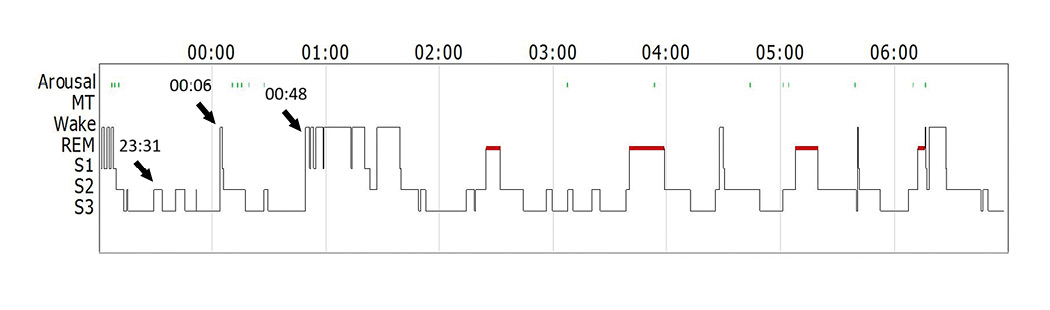
Fig. 2. Behavioral event during polysomnography, emerging from NREM3 sleep stage (slow-wave sleep).
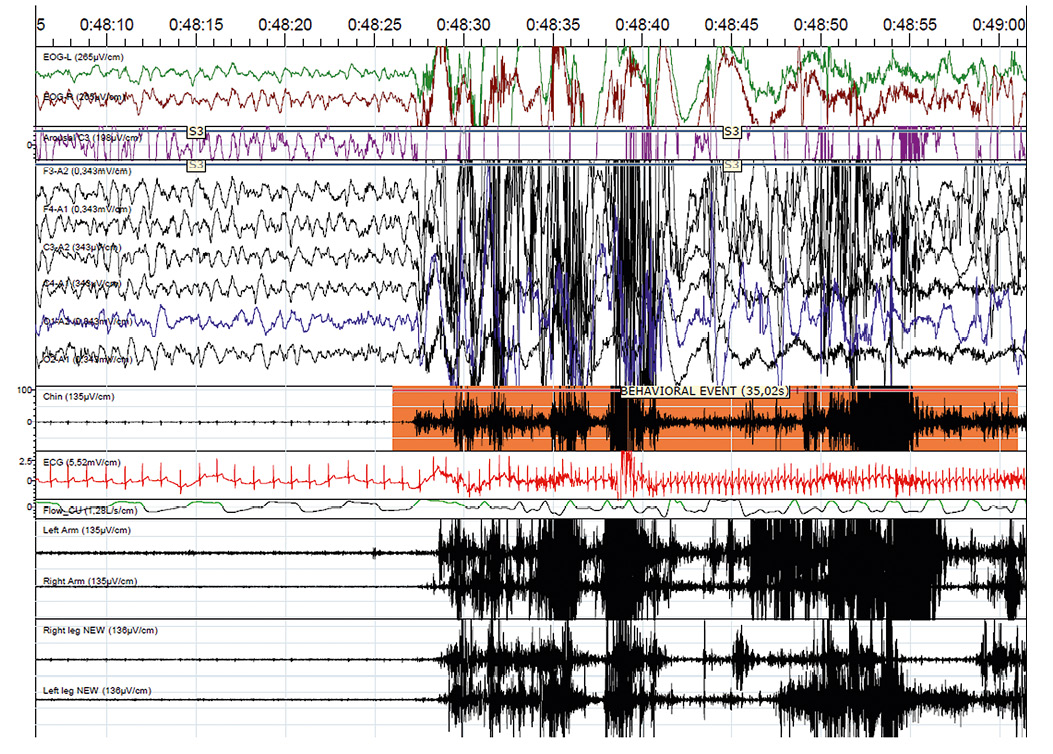
Table 1. General diagnostic criteria for disorders of arousal (DoA) and specific criteria for the DoA subtypes from the International
Classification of Sleep Disorders, Edition 3, Text-Revised [2].
General Diagnostic Criteria for Disorders of Arousal Criteria A–E must be met A. Recurrent episodes of incomplete awakening from sleep B. Inappropriate or absent responsiveness to efforts of others to intervene or redirect the person during the episode C. Limited (e.g., a single visual scene) or no associated cognition or dream imagery D. Partial or complete amnesia for the episode E. The disturbance is not better explained by another current sleep disorder, medical condition, mental disorder, or medication/substance use Notes 1. The events usually occur during the first third of the major sleep episode 2. The individual may continue to appear confused and disoriented for several minutes or longer following the episode 3. For some adults there can be recurrent, complex dream-enacting behaviors during the episodes, as reported in well-documented cases |
Confusional arousals Criteria A–C must be met A. The disorder meets general criteria for NREM disorders of arousal B. The episodes are characterized by mental confusion or confused behavior that occurs while the patient is in bed C. There is an absence of terror or ambulation outside of the bed Note There is typically a lack of autonomic arousal such as mydriasis, tachycardia, tachypnea, and diaphoresis during an episode |
Sleepwalking Criteria A and B must be met A. The disorder meets general criteria for NREM disorders of arousal B. The arousals are associated with ambulation and other complex behaviors out of bed |
Sleep terrors Criteria A–C must be met A. The disorder meets general criteria for NREM disorders of arousal B. The arousals are characterized by episodes of abrupt terror, typically beginning with an alarming vocalization such as a frightening scream C. The episodes show signs of autonomic arousal, including mydriasis, tachycardia, tachypnea, and diaphoresis during an episode |
Table 2. Diagnostic criteria for sleep-related eating disorder from the International Classification of Sleep Disorders, Edition 3, Text-Revised [2].
Criteria A-D must be met A. Recurrent episodes of dysfunctional eating that occur after an arousal during the main sleep period B. The presence of at least one of the following is associated with the recurrent episodes of involuntary eating: 1. Consumption of peculiar forms or combinations of food or inedible or toxic substances 2. Sleep-related injurious or potentially injurious behaviors performed while in pursuit of food or while cooking food 3. Adverse health consequences from recurrent nocturnal eating C. There is partial or complete loss of conscious awareness during the eating episode, with subsequent impaired recall D. The disturbance is not better explained by another current sleep disorder, medical disorder, mental disorder, or medication/substance use |
Table 3. Differential diagnostic features of non-rapid eye movement parasomnias, epilepsy, and rapid-eye movement sleep behavior disorder. Data summarized from the references 2, 38, 39, 42.
Features | NREM parasomnia | Epilepsy | REM-sleep behavioral disorder |
Part of night when event(s) occur(s) | In NREM3 slow wave sleep, 1-2 hours after sleep onset | In NREM2 stage, anytime at night, more grouped very early after sleep onset (first 30 mins) or just before awakening | More probable in the second half of the night |
Number of events per night | 1-2, no clustering. Different kinds may combine. | 3 and more. SHE events are usually grouped, and different types may combine. | 1-2, mostly during longest REM periods. May be motor only, with vocalizations very rare. |
Recall of events | No recall. Sometimes a “foggy” memory of an event, usually not detailed, and from the last part of the episode. | From complete amnesia to some recall in the form of unclear feelings of shortness of breath, muscle tension | Dream recall (similar with the episode content) but only immediately after episode |
Duration of the episodes | Variable, from brief to very long (over 20 mins). May worsen and prolong upon trying externally to stop it. | Brief, short, less than a minute | From brief to moderate (several minutes). Variable in the same patient. |
Age of onset | Childhood: 5-10 years old. Late-onset DoA points to another sleep disrupting factor (OSA, PLMS?). | Any age. Mean age: around 14 years old. | Usually after 50 years old. May occur in childhood or young adulthood in the context of narcolepsy. ASD-associated dream enactment! |
Acronyms: ASD – acute stress disorder; DoA – disorders of arousal; NREM – non-rapid eye movement; OSA – obstructive sleep apnea; PLMS – periodic leg movements in sleep; REM – rapid-eye-movement; SHE – sleep-related hypermotor epilepsy. | |||
References
- Broughton RJ. Sleep Disorders: Disorders of Arousal?: Enuresis, somnambulism, and nightmares occur in confusional states of arousal, not in “dreaming sleep.” Science. 1968;159(3819):1070-1078.
- International Classification of Sleep Disorders ICSD-3-Text Revision. Third edition, Text revision. American Academy of Sleep Medicine; 2023.
- American Psychiatric Association, American Psychiatric Association, eds. Diagnostic and Statistical Manual of Mental Disorders: DSM-5. 5th ed. American Psychiatric Association; 2013.
- Mason TBA, Pack AI. Sleep Terrors in Childhood. J Pediatr. 2005;147(3):388-392. doi:10.1016/j.jpeds.2005.06.042
- Arnulf I, Uguccioni G, Gay F, et al. What does the sleeping brain say? Syntax and semantics of sleep talking in healthy subjects and in parasomnia patients. Sleep. 2017;40(11):zsx159.
- Schenck CH, Mahowald MW. A polysomnographically documented case of adult somnambulism with long-distance automobile driving and frequent nocturnal violence: parasomnia with continuing danger as a noninsane automatism? Sleep. 1995;18(9):765-772.
- Zadra A, Pilon M. II: Night terrors and somnambulism. In: Oxford Handbook of Sleep and Sleep Disorders. Oxford University Press; 577-598.
- Yeh SB, Schenck CH. Sexsomnia: A case of sleep masturbation documented by video-polysomnography in a young adult male with sleepwalking. Sleep Sci. 2016;9(2):65-68.
- Toscanini AC, Marques JH, Hasan R, Schenck CH. Sexsomnia: case based classification and discussion of psychosocial implications. Sleep Sci Sao Paulo Braz. 2021;14(2):175-180.
- Laberge L, Tremblay RE, Vitaro F, Montplaisir J, PhD C. Development of parasomnias from childhood to early adolescence. Pediatrics. 2000;106(1):67-74.
- Petit D, Touchette É, Tremblay RE, Boivin M, Montplaisir J. Dyssomnias and parasomnias in early childhood. Pediatrics. 2007;119(5):e1016-e1025.
- Petit D, Pennestri MH, Paquet J, et al. Childhood sleepwalking and sleep terrors: a longitudinal study of prevalence and familial aggregation. JAMA Pediatr. 2015;169(7):653.
- Provini F, Tinuper P, Bisulli F, Lugaresi E. Arousal disorders. Sleep Med. 2011;12:S22-S26.
- Bargiotas P, Arnet I, Frei M, Baumann CR, Schindler K, Bassetti CL. Demographic, clinical and polysomnographic characteristics of childhood- and adult-onset sleepwalking in adults. Eur Neurol. 2017;78(5-6):307-311.
- Schenck CH, Milner DM, Hurwitz TD, et al. A polysomnographic and clinical report on sleep-related injury in 100 adult patients. Am J Psychiatry. 1989;146(9):1166-1173.
- Lopez R, Jaussent I, Scholz S, et al. Functional impairment in adult sleepwalkers: a case-control study. Sleep. 2013;36(3):345-351.
- Ohayon MM, Guilleminault C, Priest RG. Night terrors, sleepwalking, and confusional arousals in the general population: their frequency and relationship to other sleep and mental disorders. J Clin Psychiatry. 1999;60(4):268-276.
- Tinuper P, Bisulli F, Provini F. The parasomnias: mechanisms and treatment. Epilepsia. 2012;53(S7):12-19.
- Pressman MR. Factors that predispose, prime and precipitate NREM parasomnias in adults: Clinical and forensic implications. Sleep Med Rev. 2007;11(1):5-30.
- Clerici A. Sonnabulismo. Gazz Osp. 1930;(51):361-363.
- Lopez R, Shen Y, Chenini S, et al. Diagnostic criteria for disorders of arousal: A video-polysomnographic assessment. Ann Neurol. 2018;83(2):341-351.
- Zadra A, Desautels A, Petit D, Montplaisir J. Somnambulism: clinical aspects and pathophysiological hypotheses. Lancet Neurol. 2013;12(3):285-294.
- Petit D, Pennestri MH, Paquet J, et al. Childhood sleepwalking and sleep terrors: a longitudinal study of prevalence and familial aggregation. JAMA Pediatr. 2015;169(7):653.
- Lecendreux M, Bassetti C, Dauvilliers Y, et al. HLA and genetic susceptibility to sleepwalking. Mol Psychiatry. 2003;8(1):114-117.
- Heidbreder A, Frauscher B, Mitterling T, et al. Not only sleepwalking but nrem parasomnia irrespective of the type is associated with HLA DQB1*05:01. J Clin Sleep Med. 2016;12(04):565-570.
- Cordani R, Lopez R, Barateau L, et al. Somnambulism. Sleep Med Clin. 2024;19(1):43-54.
- Pilon M, Montplaisir J, Zadra A. Precipitating factors of somnambulism: Impact of sleep deprivation and forced arousals. Neurology. 2008;70(24):2284-2290.
- Guilleminault C, Palombini L, Pelayo R, Chervin RD. Sleepwalking and sleep terrors in prepubertal children: what triggers them? Pediatrics. 2003;111(1):e17-e25.
- Bassetti C, Vella S, Donati F, Wielepp P, Weder B. SPECT during sleepwalking. Lancet. 2000;356(9228):484-485.
- Terzaghi M, Sartori I, Tassi L, et al. Evidence of dissociated arousal states during NREM parasomnia from an intracerebral neurophysiological study. Sleep. 2009;32(3):409-412.
- Terzaghi M, Sartori I, Tassi L, et al. Dissociated local arousal states underlying essential clinical features of non-rapid eye movement arousal parasomnia: an intracerebral stereo-electroencephalographic study. J Sleep Res. 2012;21(5):502-506.
- Sarasso, S. Fluid boundaries between wake and sleep: experimental evidence from stereo-EEG recordings. Arch Ital Biol. 2015;(23).
- Parrino L, Boselli M, Spaggiari MC, et al. Cyclic alternating pattern (CAP) in normal sleep: Polysomnographic parameters in different age groups. Electroencephalogr Clin Neurophysiol. 1998;107(6):439-450.
- Parrino L, Ferri R, Bruni O, Terzano MG. Cyclic alternating pattern (CAP): The marker of sleep instability. Sleep Med Rev. 2012;16(1):27-45.
- Zucconi M, Oldani A, Ferini-Strambi L, Smirne S. Arousal fluctuations in non-rapid eye movement parasomnias: the role of cyclic alternating pattern as a measure of sleep instability. J Clin Neurophysiol Off Publ Am Electroencephalogr Soc. 1995;12(2):147-154.
- Joncas S, Zadra A, Paquet J, Montplaisir J. The value of sleep deprivation as a diagnostic tool in adult sleepwalkers. Neurology. 2002;58(6):936-940.
- Zadra A, Pilon M, Montplaisir J. Polysomnographic diagnosis of sleepwalking: Effects of sleep deprivation. Ann Neurol. 2008;63(4):513-519.
- Tinuper P, Bisulli F, Cross JH, et al. Definition and diagnostic criteria of sleep-related hypermotor epilepsy. Neurology. 2016;86(19):1834-1842.
- Proserpio P, Loddo G, Zubler F, et al. Polysomnographic features differentiating disorder of arousals from sleep-related hypermotor epilepsy. Sleep. 2019;42(12):zsz166.
- Schenck CH, Arnulf I, Mahowald MW. Sleep and sex: what can go wrong? A review of the literature on sleep related disorders and abnormal sexual behaviors and experiences. Sleep. 2007;30(6):683-702.
- Postuma RB, Iranzo A, Hu M, et al. Risk and predictors of dementia and parkinsonism in idiopathic REM sleep behaviour disorder: a multicentre study. Brain. 2019;142(3):744-759.
- Attarian H. Treatment Options for Parasomnias. Neurol Clin. 2010;28(4):1089-1106.
- Tinuper P, Bisulli F, Provini F. The parasomnias: Mechanisms and treatment. Epilepsia. 2012;53(s7):12-19.
- Gurbani N, Dye TJ, Dougherty K, et al. Improvement of parasomnias after treatment of restless leg syndrome/ periodic limb movement disorder in children. J Clin Sleep Med. 2019;15(05):743-748.
- Ntafouli M, Galbiati A, Gazea M, et al. Update on nonpharmacological interventions in parasomnias. Postgrad Med. 2020;132(1):72-79.
- Drakatos P, Marples L, Muza R, et al. NREM parasomnias: a treatment approach based upon a retrospective case series of 512 patients. Sleep Med. 2019;53:181-188.
- Proserpio P, Terzaghi M, Manni R, Nobili L. Drugs used in parasomnia. Sleep Med Clin. 2018;13(2):191-202.